The Deep Sky Silence: Notes from the Atacama Basin
There are riverbeds in the high Atacama where rain has not fallen since the Spanish conquistadors first crossed the Andes. The dryness is so complete that bacteria struggle to replicate; organic remnants do not decay so much as petrify beneath the unblinking sun.
We drive northward from San Pedro de Atacama toward the Chajnantor plateau, climbing past four thousand meters. The atmosphere grows thin, crystalline, and razor-sharp. Every mineral deposit in the surrounding volcanoes—copper, sulfur, iron oxide—shimmers in striated streaks of saffron, ochre, and turquoise.
1. The Geometry of Salt
In the heart of the Salar de Atacama, evaporation produces polygonal crusts of salt that stretch as far as the eye can see. Walking across this terrain sounds like breaking porcelain plates. In the shallow hypersaline lagoons, flocks of Andean and Chilean flamingos sift for brine shrimp with upside-down bills, their pink feathers startlingly vivid against the white crystalline crust.
“To look up into an Atacama sky is to realize that the universe is not empty space; it is a radiant, densely packed cathedral of ancient light.”
— Dr. Francisca Ruiz, Astrophysicist2. The Celestial Canopy
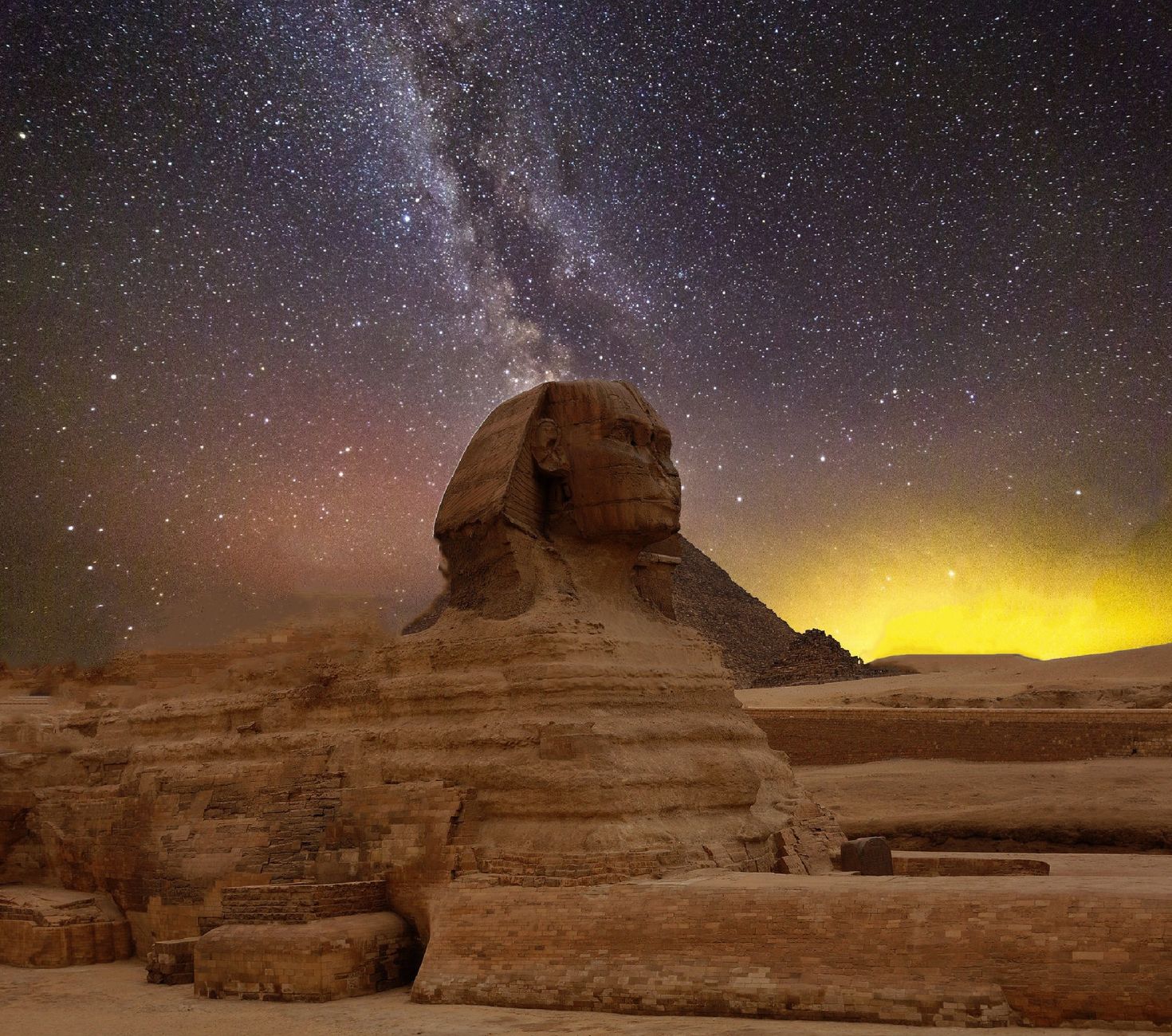
Because the air holds practically zero humidity and human settlements are hundreds of miles apart, the night sky does not merely reveal stars; it overwhelms the senses. The Milky Way does not appear as a dim cloud, but as a thick, swirling river of diamond dust casting tangible shadows across the sand.
Indigenous Atacameño communities saw their constellations not in the stars, but in the dark dust clouds of the galactic core—identifying the Celestial Llama, the Partridge, and the Toad in the deep shadows between interstellar light.
3. Preparing for Extreme Landscapes
Traveling through the high puna requires deliberate acclimatization. Drink four to five liters of water daily, protect eyes and skin from high ultraviolet radiation, and schedule nocturnal star observations during the new moon phase to witness the cosmos in its purest majesty.