Altitudes of Clarity: Traverse Across the Southern Dolomites
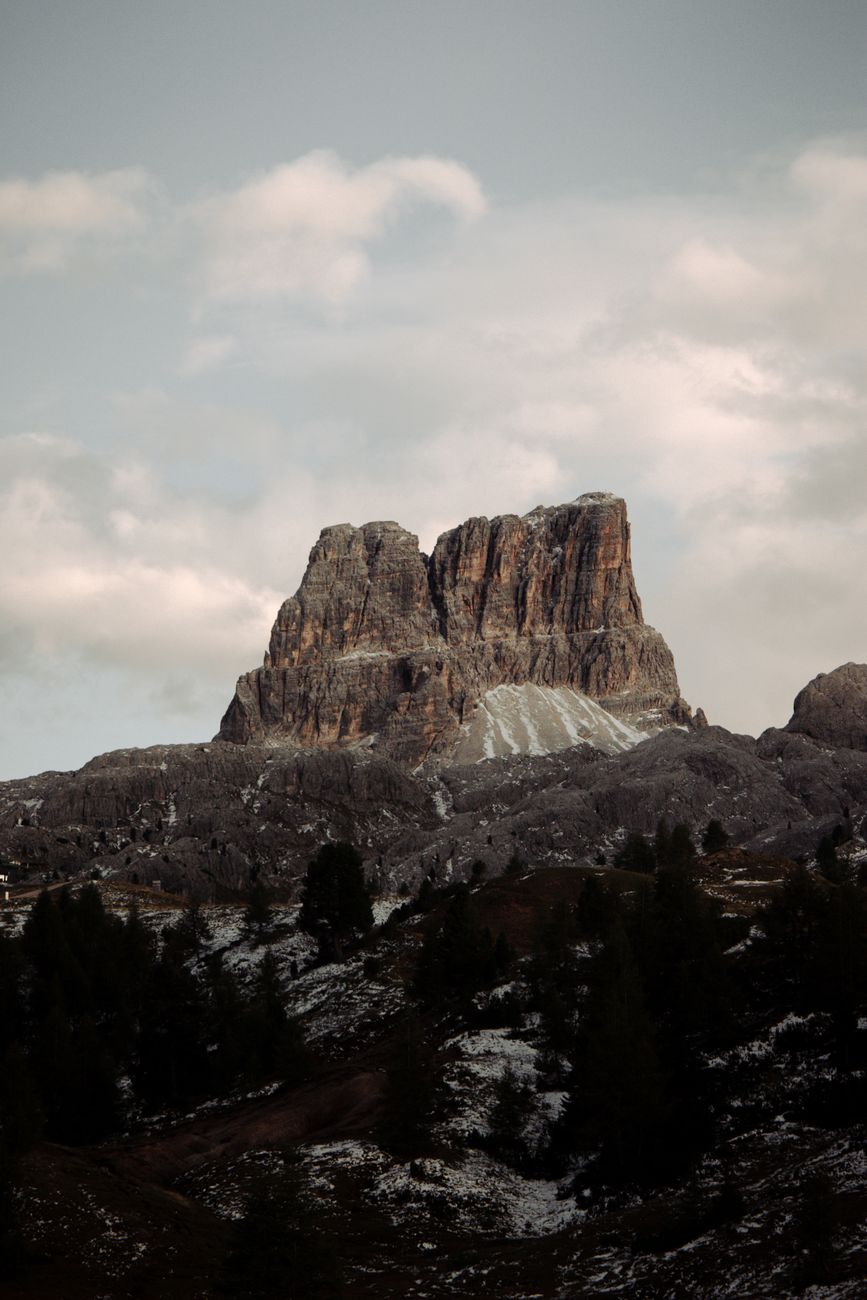
When the setting sun strikes the fossilized limestone reefs of the Pale di San Martino, the rock ignites into a hue Italians call enrosadira—a fiery, transient rose that glows like burning embers against the darkening violet of the alpine sky.
Two hundred million years ago, this colossal mountain range was a tranquil tropical archipelago, submerged under warm Tethys waters. Today, standing atop the Rosetta plateau at 2,600 meters, one walks across the dried bones of ancient coral beds, surrounded by jagged limestone towers thrust skyward by tectonic fury.
1. The High Refugio Tradition
Far from the crowded ski valleys of Cortina, the southern traverse follows high-altitude passes where shelter is provided by historic mountain refugios. These are not luxury hotels in the suburban sense, but temples of mountain camaraderie. Here, mountaineers shake off the trail dust, hang crampons on pine pegs, and gather around scrubbed larch tables for steaming bowls of barley minestrone, smoked speck, and polenta stirred over woodfires.
“In the high mountains, you quickly shed what is superfluous. Your world is narrowed to the stability of your footholds, the breath in your lungs, and the hospitality of the wooden hut ahead.”
— Giancarlo De Bona, Alpine Guide2. The Echoes of the Ladin Culture
The high valleys maintain an old linguistic and cultural identity known as Ladin, a Rhaeto-Romance tongue surviving from Roman legions stationed in the alpine passes. The architecture reflects this ancient resilience: compact stone farmhouses with shingle roofs capable of bearing meters of snow, adorned with geometric wooden balconies hand-carved during long winter confinements.
3. Navigating the Alta Via
For those undertaking the traverse, late June through mid-September provides the ideal window. Pack lightly, carry alpine topographic maps, respect the mercurial afternoon thunderstorms, and allow yourself to sit undisturbed beside clear glacial tarns where mountain eagles ride the thermal updrafts.